

Turtle attacks surge in Greek coastal waters
Human Actions Alter Sea Turtle Behaviour: Lessons from Limeni and the Surge in Turtle Incidents in Greece
How Feeding Turtles Is Leading to Dangerous Encounters—and Why Protecting Natural Habits Matters
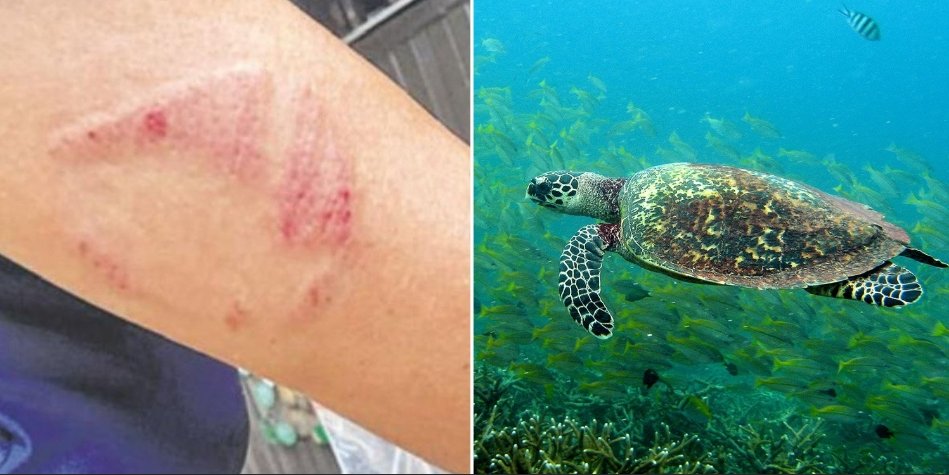
Across Greece’s sun-drenched coastline, the delicate balance between humans and marine life is being tested. Recent reports from Marathi Beach in Hania, Crete, reveal a worrying surge in sea turtle attacks on swimmers—a phenomenon marine biologists attribute to tourists and fishermen feeding these iconic creatures, fundamentally changing their natural instincts.
Dr. Katerina Manimanaki, based at Hania Hospital, has treated numerous victims over the last two years. “Turtles don’t have teeth, but very strong jaws that cause large bruises by crushing muscles,” she explained, underscoring the severity of the injuries sustained. Local resident K.B. described the harrowing experience of being bitten on the thigh while leaving the water, an ordeal that resulted in hospitalization for infected wounds. “The pain was so intense I nearly fainted,” she recounted.
Wildlife expert Dimitris Fytilis from the Archelon conservation group warns that feeding turtles teaches them to associate humans with food. “They begin treating swimmers as competitors for food and try to drive them away by biting,” Fytilis explained. In response to the rising number of incidents, experts now advise swimmers to wave their arms and legs underwater to deter curious turtles. Similar accounts are emerging from other parts of the Greek coastline, indicating a widespread behavioural shift among sea turtles.
These alarming developments echo the growing awareness in places like the village of Limeni, Mani, in the Peloponnese. Limeni is famed not only for its breathtaking beauty and traditional stone houses but also for its native turtle populations. Here, conservation efforts focus on maintaining the natural relationship between turtles and their environment. Local initiatives stress the importance of not feeding the turtles, preserving their innate behaviours, and ensuring that these gentle creatures remain a harmonious part of the ecosystem.
The contrasting stories from Hania and Limeni highlight a critical lesson: human intervention—even when well-intentioned—can have unforeseen and sometimes dangerous consequences for wildlife. By respecting natural habits and promoting responsible interactions, communities can safeguard both people and the cherished turtles that grace Greece’s storied shores.