

Messinia's olive harvest now expected to be over 50% lower than average
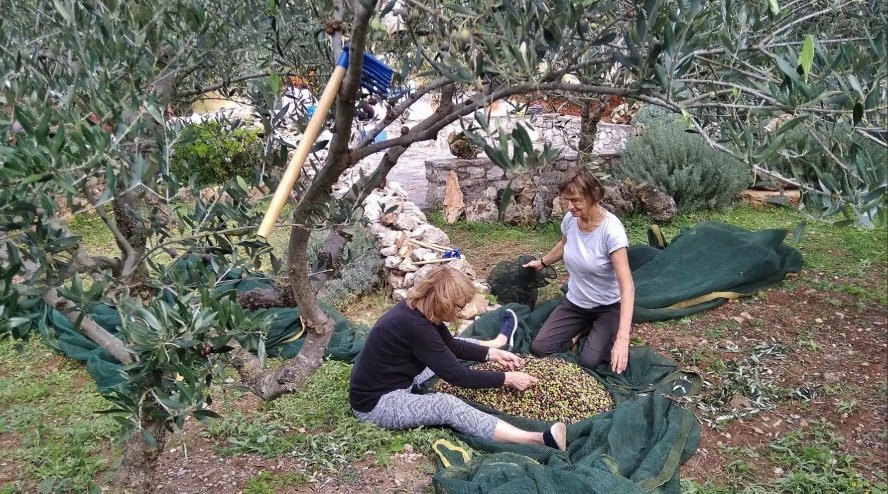
Are you starting an olive harvest? – we’d love to hear about your experiences so far this year – the good, the bad, the indifferent! Have you taken olives to the Mill yet? If so, what prices are being paid? Please let us know in the Comments Box below so that we can share with the local olive community. Read on for an overview of the olive harvest situation in Messinia, Greece and the wider Mediterranean.
This year’s olive growing season is expected to be challenging for Messinia and other regions. Initial estimates indicate a production decrease of more than 50%, attributed to drought, high temperatures, and the abandonment of olive groves.
According to Apostolos Zontatos, president of the Association of Free Agriculturists Professional of Messinia, Greece’s total olive oil production will likely not exceed 200,000 tons, compared to an average of approximately 400,000 tons in previous years. The winter of 2023-2024 was very dry, with insufficient rainfall in both winter and spring, still affecting olive trees and subsequently fruit bearing.
Harvesting has begun early with producers starting to have concerns about potential impacts from the olive fly.
The oil quality is reported as high, with low acidity, but early harvesting has resulted in lower yields.
Other Mediterranean countries face similar challenges. In Spain, for instance, production has been reduced for a second consecutive year due to drought, with current projections not exceeding 1.2 million tons. The climate crisis is cited as a contributing factor across the region.
Producer prices are under significant pressure. A recent International Olive Council (IOC) report notes that extra virgin olive oil prices rose in September, over 4 euros per kilogram, but remain below levels seen last year. Price decreases were recorded in Spain (Jaén) by 41% and Greece by 34%, whereas Italy saw a slight increase of 3%.
While exports outside the EU grew in volume, the average selling price declined by 42% compared to the previous season. Imports of olive oil into major markets increased by 11%, indicating sustained demand despite market pressures from oversupply and higher production costs.
Mr. Zontanos noted that if producer prices fall below 5.5 euros per kilogram, there could be negative effects on cultivation and the primary sector. Producers face high production and living costs, with some subsidies particularly for organic operations, experiencing delays.
In conclusion, this year’s difficulties emphasize the need for adaptation measures within the sector. The situation underscores the ongoing impact of the climate crisis on agriculture in Greece and the importance of strategic planning for the future of olive cultivation.